

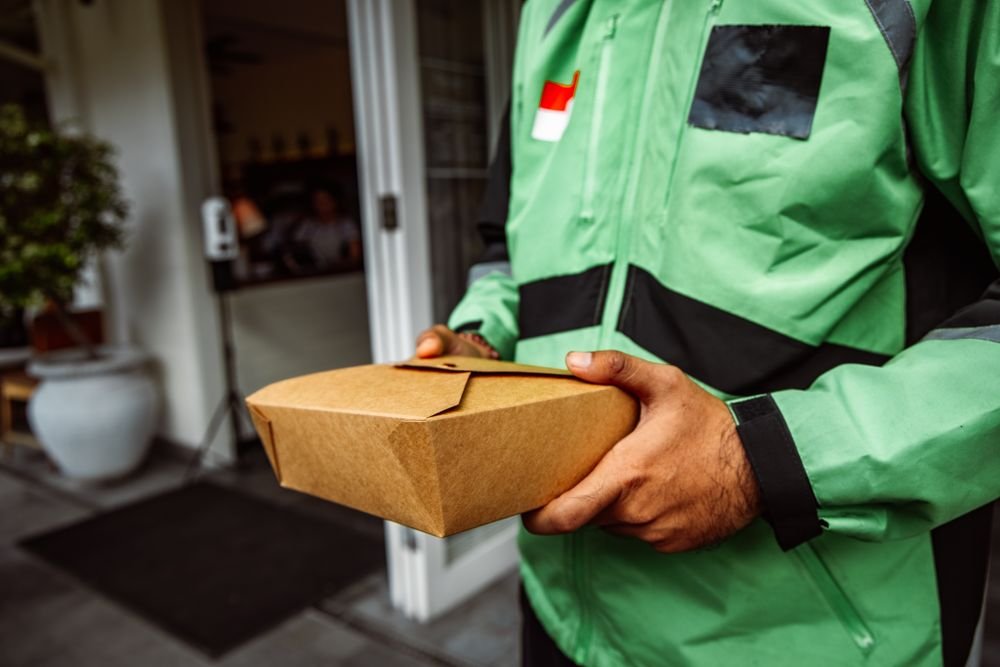
After 72 years of yellow trucks pulling up to front doors across the country, Yelloh — the frozen food delivery company once known as Schwan’s Home Delivery — announced it will permanently shut down all operations in November 2024.
If you’re a current customer, a former fan of those iconic trucks, or someone watching what this means for the broader delivery industry, this article covers what you need to know: the confirmed closure, key dates, why the business failed, and what it reveals about legacy companies competing in a changed market.
Yes, Yelloh Is Going Out of Business
There’s no ambiguity here. Yelloh publicly confirmed it will cease all operations in November 2024, ending a 72-year run. This is not a regional pullback, a pause, or a restructuring — it’s a full shutdown.
The company’s own statement cited “multiple insurmountable business challenges,” pointing to economic forces, market pressure, and changing consumer lifestyles. Multiple news outlets confirmed the closure, and formal WARN notices were filed across several states.
In Minnesota alone, approximately 176 employees were laid off. Iowa reported 53 additional layoffs, with an effective date around November 22. These filings make the closure legally documented and final.
As of this writing, there is no reported buyout, rescue deal, or partial continuation of service anywhere in the country.
Key Dates and What Current Customers Should Do
If you’re an active Yelloh customer, here’s what matters most right now.
The last day to purchase products from Yelloh trucks was November 8, 2024. Full operations are expected to wind down by late November 2024. Once those trucks stop, there is no continued online ordering or delivery service.
For similar frozen food products going forward, your options are grocery retailers, frozen food sections at major stores, or other delivery services. Yelloh’s product lineup — things like frozen meals, ice cream, and prepared foods — has overlap with what’s available in most grocery chains.
Publicly available details about account balances, loyalty rewards, and subscription handling during the wind-down period are limited. If you have active rewards or a pending subscription, contact Yelloh directly before operations end. Don’t wait — once the company closes, customer service access will be gone too.
From Schwan’s Home Delivery to Yelloh — A Brief History
To understand how this company got here, it helps to know where it started.
The business began in rural Minnesota more than 70 years ago, delivering ice cream and frozen foods via yellow freezer trucks. It became a familiar sight in Midwestern neighborhoods and eventually expanded to a nationwide operation under the Schwan’s Home Delivery name.
One important distinction worth clarifying: in 2018, Schwan Company sold its consumer brands and food service business to a South Korean conglomerate. But Schwan’s Home Delivery was not part of that sale. It remained independently owned by the Schwan family and continued operating separately.
In 2022, the home delivery business rebranded from Schwan’s Home Delivery to Yelloh. The move was positioned as a modernization — a way to signal a fresher, more digital-friendly identity while keeping the core frozen food delivery model intact.
In 2023, following a private equity investment, the company made a significant cut: it shrank its footprint from nationwide coverage down to just 18 states and laid off hundreds of workers. The goal was to stabilize the business by focusing on its strongest markets.
It didn’t work. Less than two years later, the company announced a full shutdown.
Why the Business Failed — The Real Reasons Behind the Closure
No single thing killed Yelloh. It was a combination of structural problems and market forces that had been building for years.
An Expensive Business Model in a Thin-Margin Industry
Yelloh operated an asset-heavy model. That means company-owned freezer trucks, fixed delivery routes, and salaried drivers. Every truck on the road costs money whether it’s full or not.
Compare that to gig-based delivery platforms like DoorDash or Instacart, which use independent contractors and shift most of the cost and risk away from the company. Yelloh couldn’t compete on cost structure with services built around flexible, on-demand labor.
Pandemic Disruptions Hit the Wrong Way
You might expect a home delivery food company to thrive during COVID-19. In some ways, demand for home delivery did increase. But Yelloh’s model depended on planned routes and repeat customers, not on-demand flexibility. The pandemic brought staffing shortages and supply chain problems that hit the company hard — just at a moment when it needed to perform well to compete.
The company cited staffing challenges and supply chain disruptions as contributing factors. These weren’t unique to Yelloh, but its fixed model left it less able to absorb the shocks than more agile competitors.
Inflation Made a Hard Model Harder
Rising fuel costs, higher wages, and fleet maintenance expenses all increased significantly after 2021. For a business already running on thin margins with an expensive delivery infrastructure, this was a serious problem with no easy fix.
Consumer Habits Moved On
The core Yelloh model was built around something that made sense decades ago: a truck showing up on a schedule with a catalog of frozen options. Customers ordered in advance, the truck came by, and the transaction happened at the door.
Today, consumers expect to order something at 9 PM and have it arrive the next morning — or the same day. Services like Instacart, Amazon Fresh, and Walmart Delivery offer flexibility that scheduled truck routes simply can’t match. Yelloh’s value proposition, convenient frozen food at your door, was no longer unique enough to justify the premium or the schedule.
The Rebrand Didn’t Change the Fundamentals
The 2022 switch from Schwan’s Home Delivery to Yelloh was meant to signal a modern identity. But a new name doesn’t fix an underlying cost structure or shift consumer habits. It also risked weakening the brand recognition that “Schwan’s” had built over seven decades.
Changing your name without changing what makes the business difficult to sustain is a cosmetic fix. The rebrand may have been well-intentioned, but it didn’t address the real challenges.
The “Shrink to Survive” Strategy Fell Short
Cutting operations to 18 states in 2023 was a classic turnaround move: reduce costs by focusing on your best markets and cutting the rest. It’s a reasonable strategy — but it only works if the core business is still viable in those remaining markets.
For Yelloh, the structural problems weren’t regional. They were baked into the entire operating model. Shrinking the footprint reduced costs but didn’t fix the mismatch between what the company offered and what customers increasingly wanted.
What Happens to Yelloh Employees
The human cost here is real. Confirmed layoffs include approximately 176 workers in Minnesota and 53 in Iowa, with similar situations in other states where Yelloh operated. These are drivers, warehouse staff, and support workers, many in smaller cities and towns where local job options may be limited.
Public reporting has not confirmed specific details about severance packages or job placement programs. Workers affected by the closure should check with their state labor departments for guidance on unemployment benefits and WARN Act protections, which provide some advance notice rights when mass layoffs occur.
What This Means for the Food Delivery Industry
Yelloh’s closure is a useful case study for anyone thinking about legacy business models competing against newer platforms.
The frozen food delivery model worked for decades because it was the most convenient option available. That advantage disappeared when on-demand delivery platforms scaled up, grocery stores expanded their delivery options, and consumer expectations shifted toward flexibility and speed.
Companies built around physical infrastructure — trucks, routes, schedules — face a difficult structural challenge when digital-first competitors enter the same space. The question isn’t just whether you can modernize your branding. It’s whether your core delivery model can compete on cost and convenience.
For business owners and managers tracking these trends, Start Business Review covers practical analysis of business strategy, market shifts, and what closures like this one reveal about broader industry changes.
Yelloh’s story also shows the limits of private equity-backed restructuring when the underlying value proposition is eroding. Cutting costs and shrinking footprint can buy time, but they don’t rebuild consumer demand or fix structural cost disadvantages.
Final Takeaway
Yelloh is going out of business. The closure is confirmed, final, and complete. If you’re a customer, November 8, 2024 was the last day to purchase from trucks, with full operations ending by late November.
For 72 years, those yellow trucks were a reliable part of American home life. The frozen food and the familiar schedule had real value for a lot of people. But the business model that made it work in the 1950s couldn’t survive the combination of rising costs, staffing problems, and a delivery market that moved faster and more flexibly than Yelloh ever could.
It’s a straightforward reminder that longevity doesn’t guarantee survival — and that being first doesn’t mean you’ll be last.
Read Also: